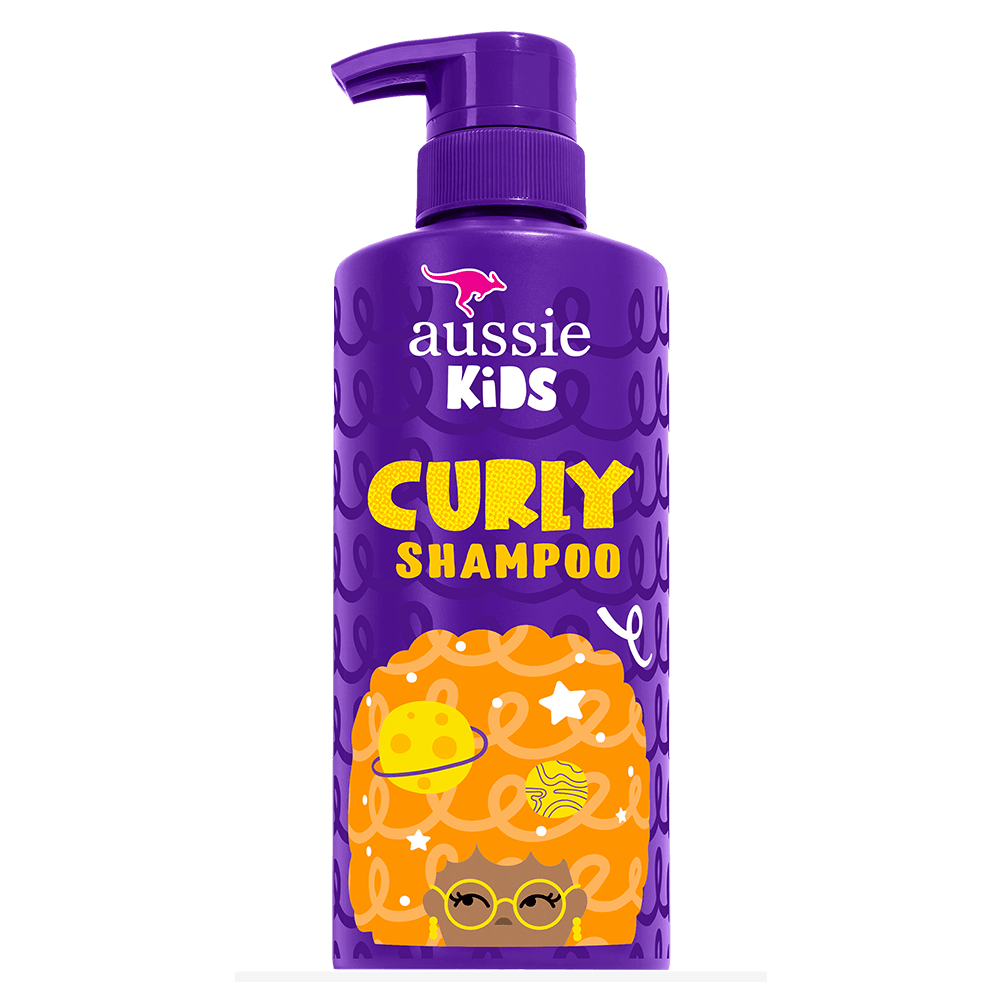
HOW TO DETERMINE YOUR CHILD'S CURLY HAIR TYPE
Understanding Your Child’s Curl Type
Caring for your child’s curly hair starts with understanding the type of curls they have. Curls come in many different shapes and patterns, and knowing your child’s curl type can help guide the products and routines that work best for them.
Because different curl types can have different needs—from softer, looser waves to tighter coils—taking a moment to identify their curl pattern can make hair care easier and more consistent over time.
Why Curl Type Matters
Curl type affects how your child’s hair behaves day to day, including how it holds moisture and how it responds to styling.
Looser curls may need lightweight care to avoid weighing strands down
Defined curls may benefit from more support to maintain their shape
Tighter coils often need more focused care to keep strands soft and manageable
Recognizing these differences helps you choose the right products and steps to keep your child’s curls feeling comfortable and looking their best.
The Four Main Curl Types
There are generally four main hair textures, with curls falling into three of them. Each type has subcategories that help further define curl shape and behavior.
Type 2: Wavy Hair- Aussie miracle moist collection
Wavy hair has a soft, S-shaped pattern.
2A: Loose waves, easy to manage
2B: More defined waves, slightly more body
2C: Stronger waves with more volume and a tendency toward frizz
Wavy hair may benefit from lightweight care that supports definition without weighing it down.
Type 3: Curly Hair- Aussie miracle curls collection
Curly hair forms a more defined spiral pattern.
3A: Loose, larger curls with a more open shape
3B: Tighter curls with more bounce
3C: Springy curls that are densely packed
This curl type can benefit from products that help maintain shape, smooth strands, and support a softer feel throughout the day.
Type 4: Coily Hair- Aussie miracle curls collection
Coily hair has the tightest curl pattern, often forming small coils or zig-zag shapes.
4A: Defined coils with visible curl shape
4B: Z-shaped pattern, less defined
4C: Tightly coiled and densely packed
Coily hair often benefits from richer care to help keep strands soft, manageable, and easier to detangle.
How to Identify Your Child’s Curl Type
To get a clear sense of your child’s curl type, look at how their hair behaves when it’s clean and dry.
Check the shape: Is it wavy, spiraled, or coiled?
Check the size: Are the curls loose or tight?
Check how it behaves day to day: Does it stay defined or lose shape easily?
Sometimes, a child’s hair may include more than one type, with different patterns in different areas. This is common and doesn’t need to change your overall approach.
Building a Routine Based on Curl Type
Once you’ve identified your child’s curl type, you can build a routine that supports their hair’s needs.
For Wavy Hair- Aussie miracle moist shampoo & conditioner
Focus on lightweight products that help support shape without weighing the hair down.
For Curly Hair- Aussie miracle curls frizz-free curl cream
Use products that help define curls and keep strands smoother, while supporting easier detangling.
For Coily Hair- Aussie 3 minute miracle moist deep conditioner
Choose richer formulas that help keep strands soft and manageable, especially during washing and detangling.
Across all curl types, gentle handling and a consistent routine can help support smoother, more defined results.
Making Hair Care Easier
Curly hair routines work best when they’re tailored to the individual.
Adjust how often you wash based on your child’s hair type
Use detangling steps to reduce knots and pulling
Apply products evenly to support consistent results
Small changes based on curl type can make a big difference in how comfortable and manageable your child’s hair care routine feels.
FAQ’s:
How can I understand my child's curl type?
Understand your child's curl type by observing their curl shape and pattern, which helps guide the best hair care products and routines.
What are the main curl types for children’s hair?
The main curl types are Type 2 (wavy), Type 3 (curly), and Type 4 (coily), each with different care needs that can be supported with Aussie Miracle Moist or Miracle Curls routines.
How do I identify my child's specific curl type?
Check your child's clean, dry hair for wave, spiral, or coil shape, curl tightness, and how well curls hold their shape, then match the routine to products made to help with moisture, definition, or frizz control.
What hair care routine suits wavy hair?
How should I care for curly hair?
What is the best care for coily hair?
Can a child have more than one curl type?
Yes, children can have multiple curl patterns in different areas, which is common and doesn’t require changing the overall care approach.
How can I make my child's curly hair care easier?
Make curly hair care easier by adjusting wash frequency, detangling gently, and applying Aussie curl-friendly products evenly to help support smoother, more manageable curls.
What should I look for in kids’ curly hair products?
Look for formulas that match your child’s curl needs, like Aussie options designed for moisture, frizz control, and curl definition, with paraben-free, sulfate-free, dye-free, and cruelty-free care.
Bring It All Together
Identifying your child’s curl type is the first step in creating a hair care routine that works for them. From wavy to coily, each curl pattern has its own needs—and choosing products and steps that match those needs helps support smoother, easier-to-manage hair.
With a little observation and the right routine, caring for your child’s curls can become a simple, consistent part of your day.